 KPI TECH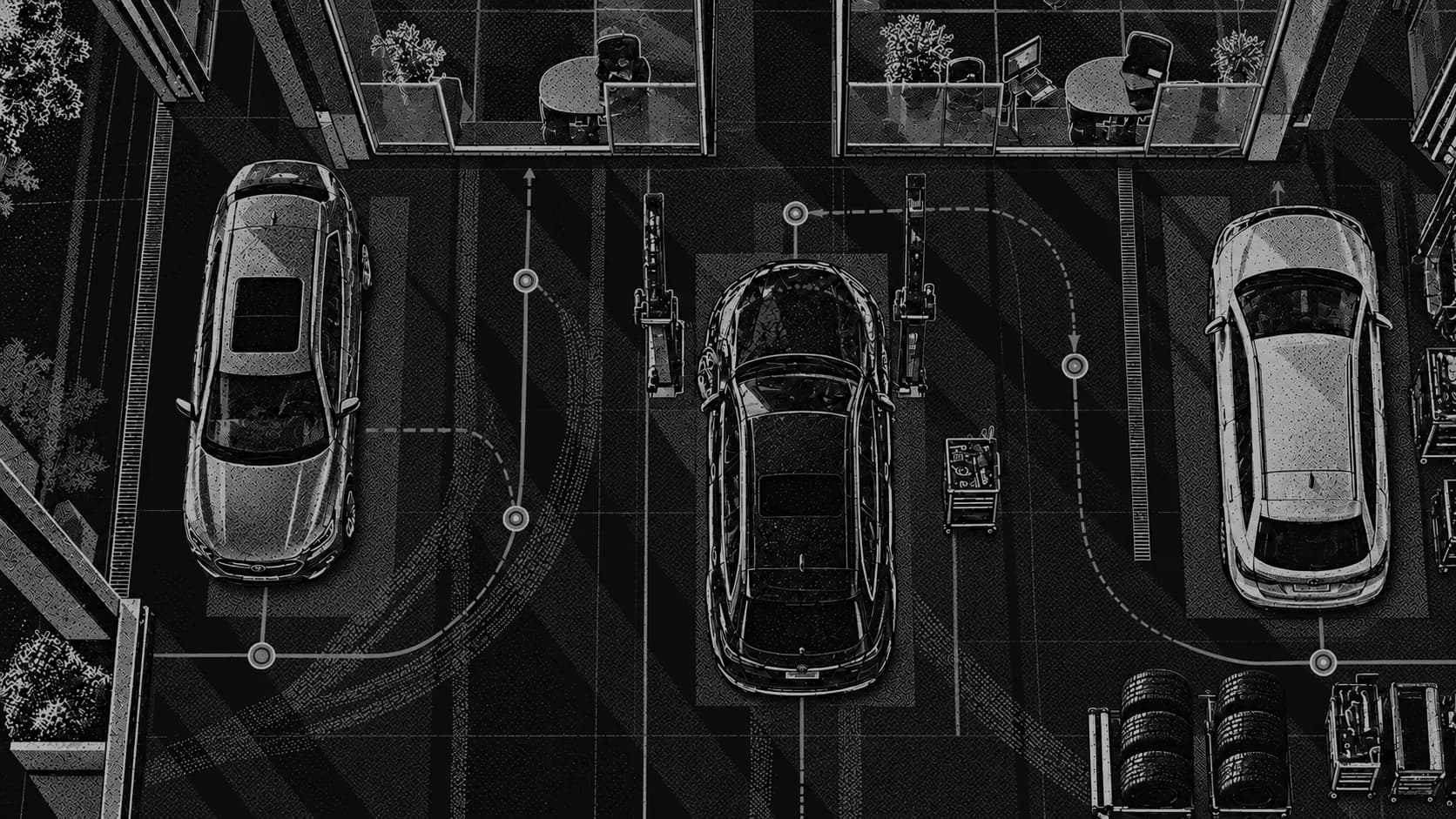
Data. Decisions.
Tasks. Results.
Dealer data sits in systems that do not talk to each other. We join it into one graph. Tools and agents work on that graph: they call, they write, they watch deadlines and they close tasks.
One knowledge graph. The foundation.
A report tells you what happened. The graph tells you what to do now and who does it. That is why the data and the work live in one place here, not in two tools joined by an export.
The knowledge graph links vehicles, people, call history and open tasks.
Account, vehicles, people, events and call history in a single record. No export to a spreadsheet and no asking a colleague what was agreed in June.
Every piece of work has an owner, a date and a next step. You can see what is overdue without ordering a summary.
Sufler needs no files. It reads the graph, does the task and stores the outcome where you expect to find it.
Every tool works on the same graph
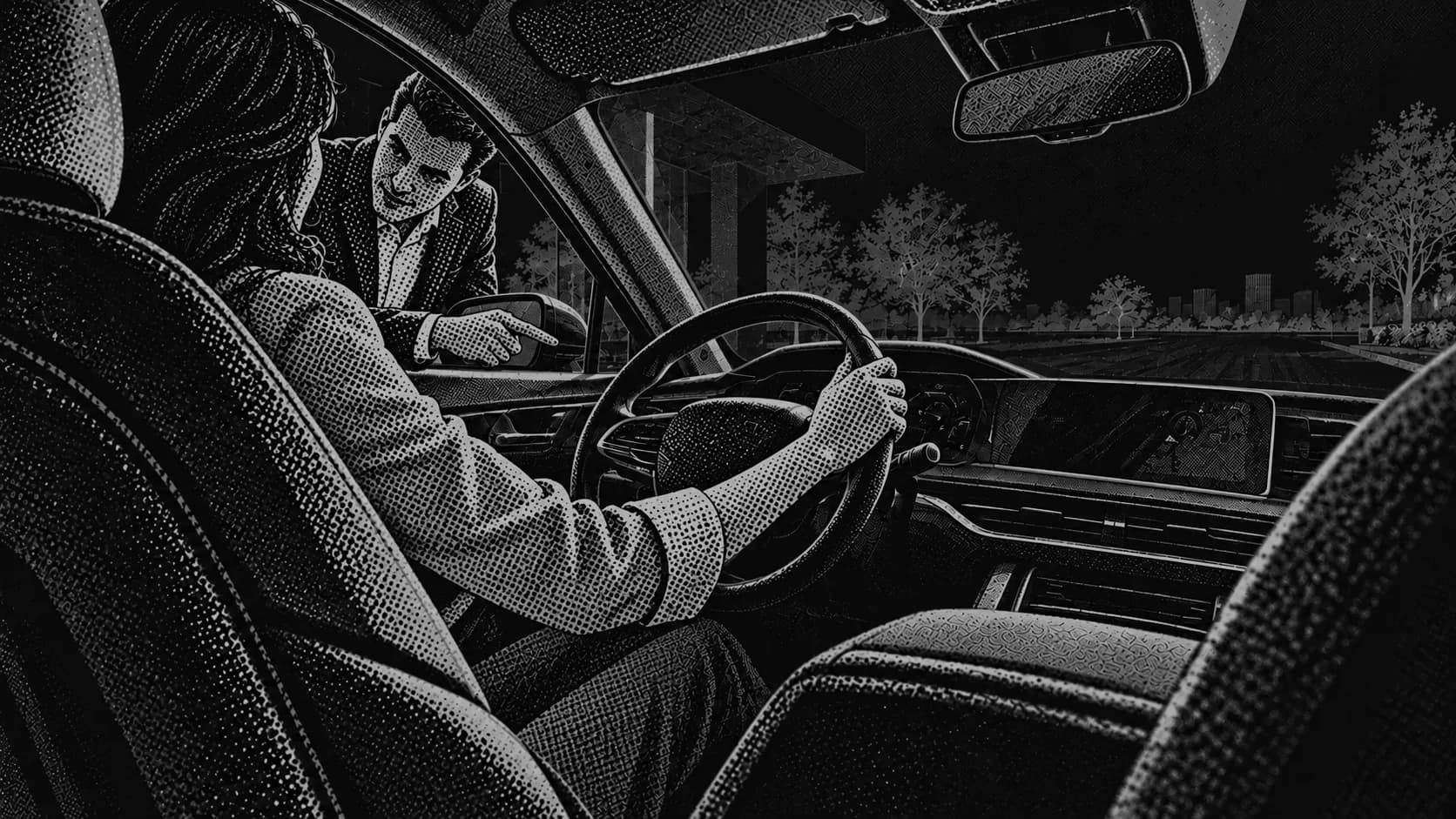
Supports sales people, service advisors and the call centre. It knows the customer, the vehicle and the history. It quietly prompts what to say and what not to promise.
Listens to recordings and pulls out why deals were lost and which topics keep coming back.
Points to who has a reason to come back: a service, a warranty, the end of a contract, a car to replace.
Answers the phone, qualifies, books the slot and writes it into the calendar.
Makes sure every lead has a date and a next step.
Writes emails and texts to one specific customer and prepares the call script.
Checks a web form lead before it reaches a sales person: the number, the car, the intent.
Raises the quality of customer care and guards the dealer reputation. It catches dissatisfaction and complaints and sees them fixed.
A secure, private messenger compliant with NIS2, where AI agents work alongside the staff.
Talk to Sufler. Type, or simply speak.
The same Sufler. You type from your phone between meetings, or you call and speak. The answer is the same, because there is one source.
The same Sufler in two roles
One Sufler, two scopes. The owner wants to know how many cars are waiting for handover across three dealerships. The sales person wants to know what they promised a customer last week. Both get the answer before they finish typing.
How many orders are waiting for handover, where financing is stuck, which branch fails to close service after an inspection. The answer comes from the graph, with links to the actual records.
The same Sufler in the role of a sales person or a service advisor. It sees only their customers, prepares tomorrow conversations and reminds them what is overdue.
The phone stops being an obstacle
Answers on the first ring, at any hour. It qualifies, books the service slot and hands the call to a person when a decision is needed.
Prospector picks who has a reason to come back, Receptionist makes the call. The recording and the note land on the customer record.
The agent hands the call to a sales person or an advisor the moment a price has to move or terms have to change. The context travels with the call.
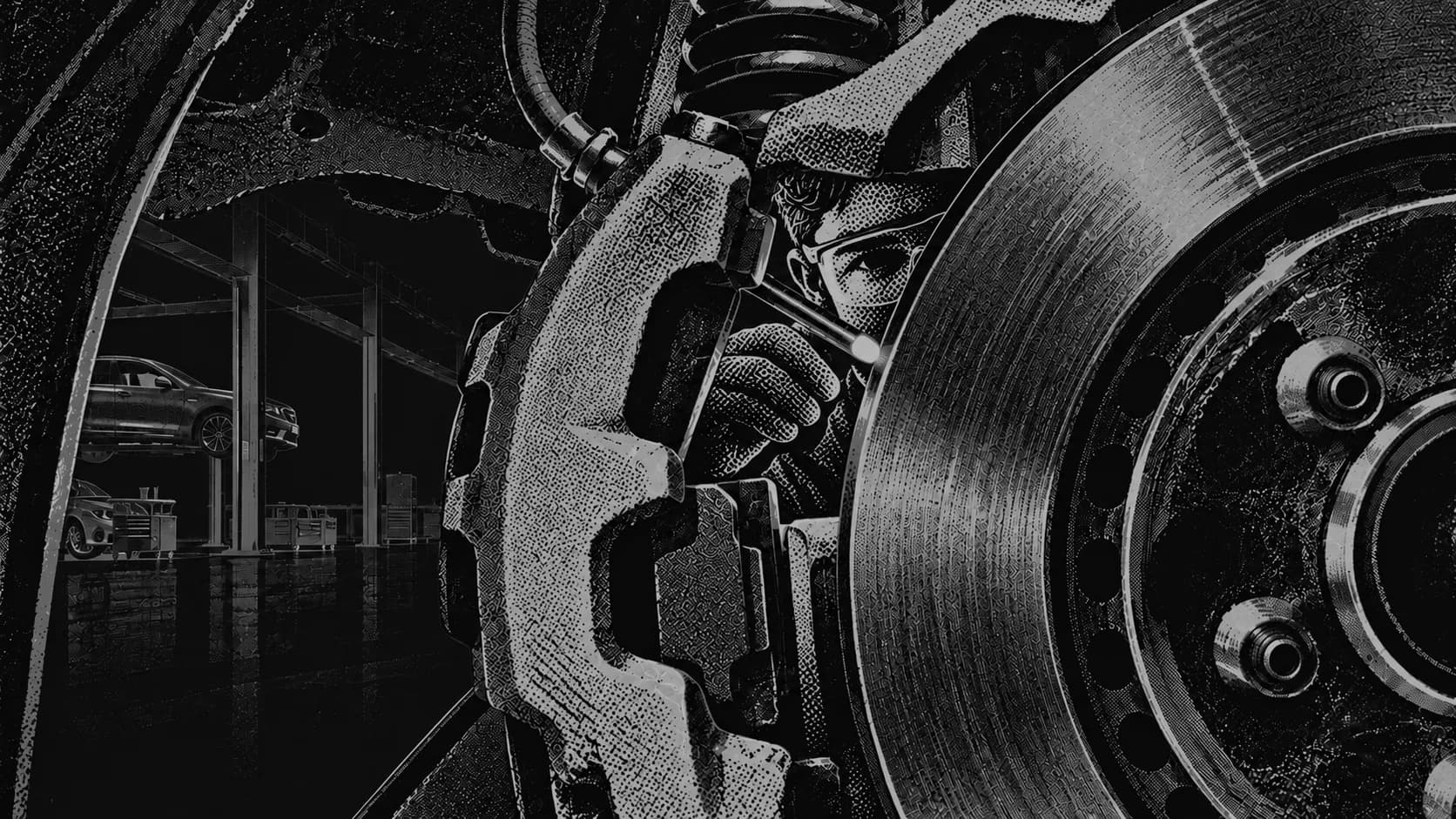
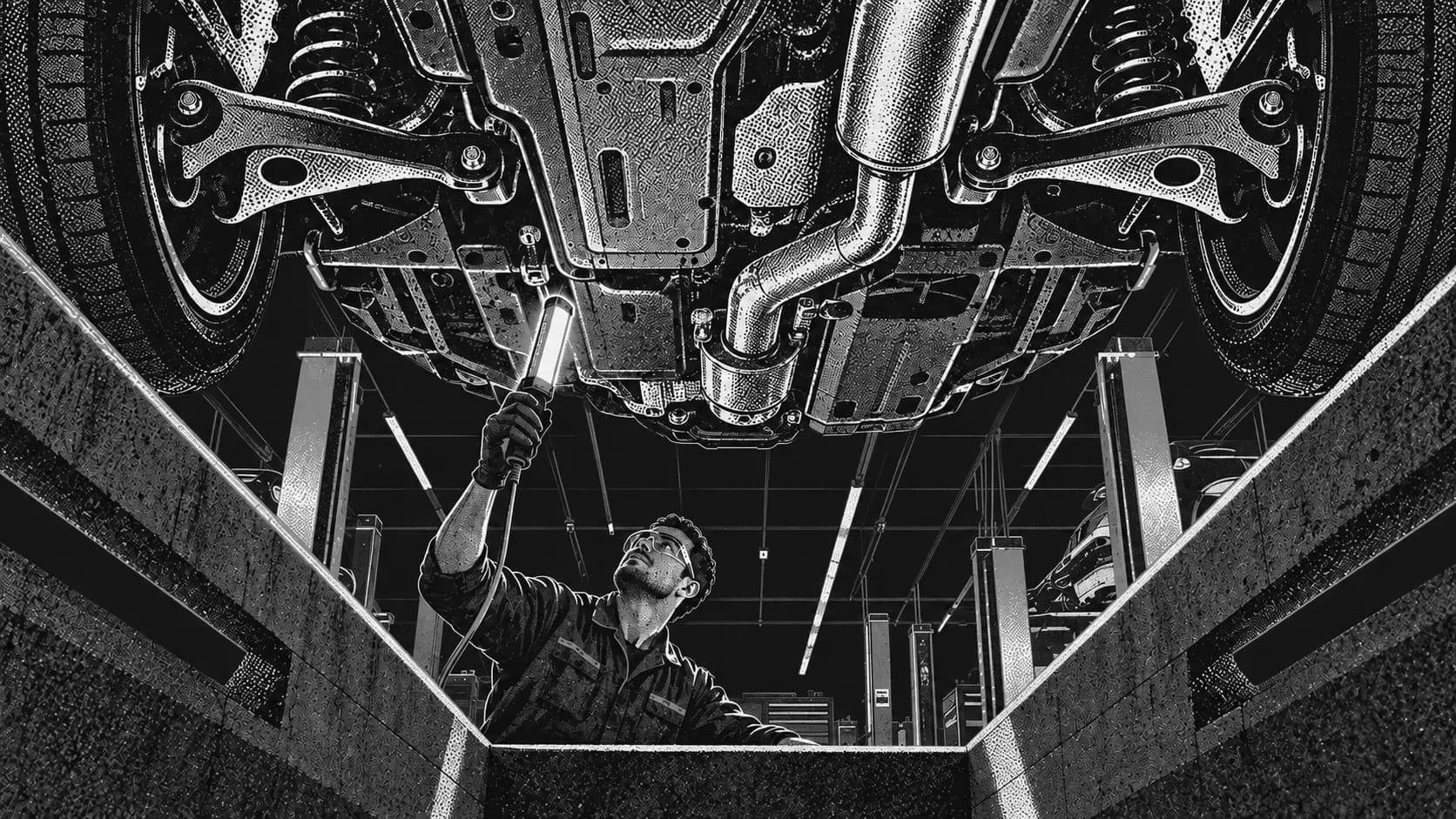
Instead of waiting for the customer to remember the service, the workshop calls first.

See the Sufler platform on your own data
An hour of conversation, one dealership, one pipeline. You leave with a list of places where the data already sits, and with one module to roll out first.